

Ensuring Safety on Construction and Renovation Projects
Construction sites are bustling places where safety is a top priority. One of the key aspects of maintaining a safe environment is managing waste effectively. Left unchecked, debris can lead to accidents and injuries, making it essential for site managers to prioritize its removal. This article will explore how effective waste management contributes to a safer workspace and why it should be an integral part of every project plan.

The Importance of Site Cleanliness
A clean construction site is not only more efficient but also safer. When debris piles up, it poses significant risks such as tripping hazards or exposure to harmful materials. By keeping the area tidy, workers can navigate the site without fear of injury. Moreover, a clean environment boosts productivity as tools and materials are easier to locate.
Role of Debris Removal in Enhancing Efficiency
debris removal plays a crucial role in enhancing the efficiency of work on-site. Removing unnecessary clutter allows workers to focus on their tasks without distractions. It also ensures that equipment functions optimally by preventing damage from loose debris. Regular removal schedules keep the workflow smooth and uninterrupted.
Preventing Accidents Through Proper Waste Management
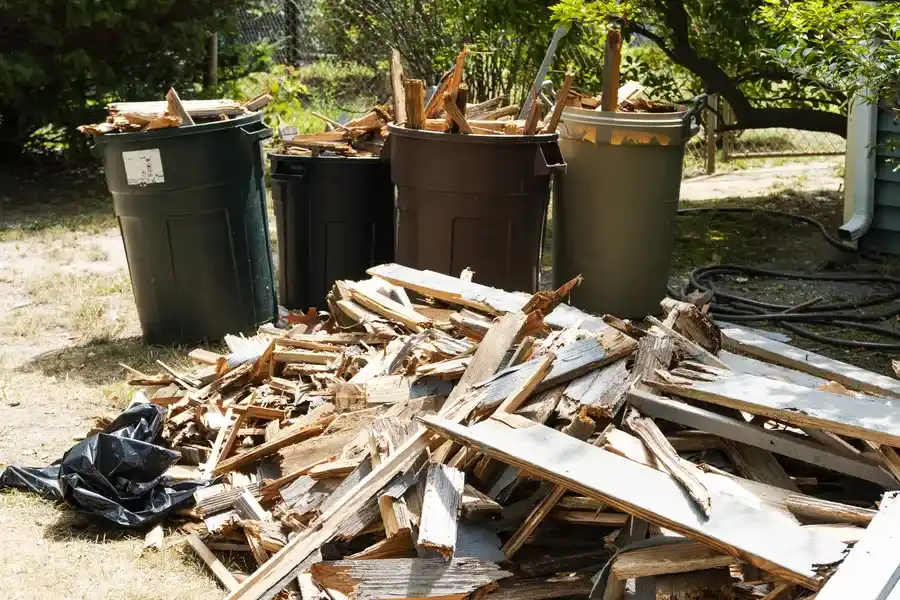
Effective waste management is vital in preventing accidents on construction sites. For instance, sharp objects like nails or glass can cause injuries if not disposed of properly. Using systematic removal strategies helps mitigate these risks. Implementing regular checks and organized waste disposal protocols ensure that potential hazards are identified and removed promptly.
Cost Implications of Neglecting Debris Handling
Ignoring waste management can lead to increased costs down the line. Accidents caused by neglected debris often result in medical expenses and lost workdays. Additionally, regulatory fines may apply if safety standards are not met. Addressing debris issues proactively saves money and promotes a responsible business image.
Steps for Effective Waste Management
- Identify common waste types generated during projects
- Establish designated disposal areas on-site
- Schedule regular waste collections to avoid pile-ups
- Train workers on proper waste handling techniques
- Review and update waste management plans regularly
Best Practices for Maintaining Site Safety
Maintaining safety through effective cleaning involves following best practices consistently. Encourage workers to report hazards immediately and ensure that all personnel understand the importance of waste management. Use signs to mark hazardous areas clearly and provide protective gear where necessary. Regular training sessions on safety procedures help reinforce these practices.
Meeting Industry Standards in Waste Management
Adhering to industry standards is essential in ensuring both safety and compliance on construction sites. Regulations dictate specific requirements for handling different types of waste, including hazardous materials. Staying informed about these standards helps businesses avoid legal troubles while promoting a culture of safety among workers.
Partner With Us for Comprehensive Solutions
If you’re looking for reliable partners in effective site management, we have you covered. Reach out to C A Junk Removal Service at (760) 263-3611 for expert assistance tailored to your needs. Based in Cathedral City, CA, our team specializes in delivering comprehensive solutions that enhance safety and efficiency across various projects.